
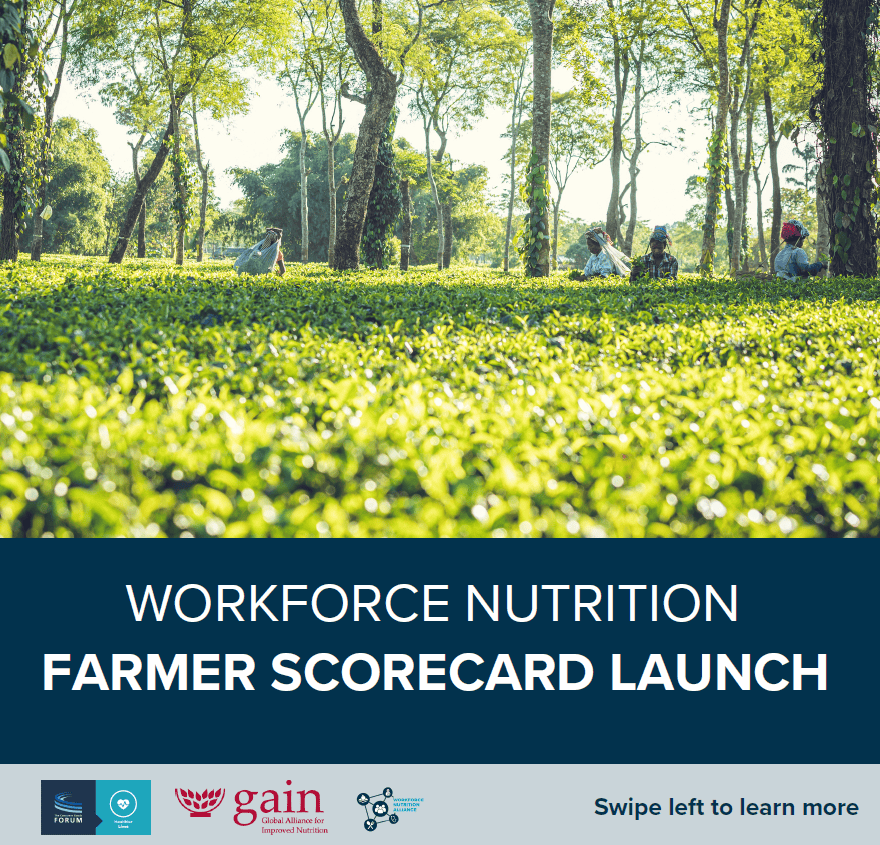
In a world where climate change, inequality, conflict, and the COVID-19 pandemic have worsened food insecurity and malnutrition, the pressing question remains: How can we produce more food? While increasing food production is critical, we rarely ask an equally important question: how food and nutrition secure are the very people growing our food?
The Reality of Smallholder Farmers
Smallholder farmers are known as the heartbeat of the global food system, producing 70–80% of the world’s food. Yet, they face immense challenges. Environmental challenges such as soil erosion, biodiversity loss, and water scarcity limit food productivity. The increasing threats of droughts, floods, pests, and climate change further jeopardize their livelihoods. Socioeconomic pressures, including poverty, debt cycles, labour shortages, and fluctuating market prices, make it harder for them to sustain their work.
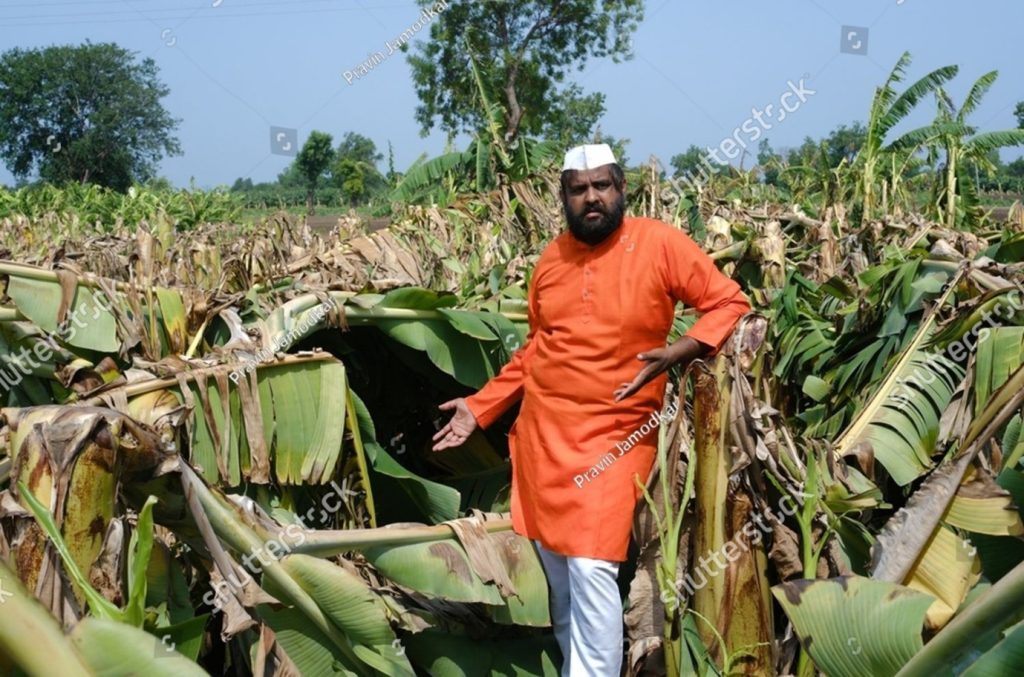
Despite their essential role in food production, many smallholder farmers and their families struggle with food and nutrition security. While interventions for smallholder farmers often focus on improving access to inputs, finance, and markets, their own well-being is frequently overlooked.
Workforce Nutrition: A Gift for the Supply Chain
Supporting smallholder farmers should go beyond ensuring more food is produced; it must include their nutrition, health, and overall well-being. Healthy farmers are not just more productive, they are the key to building resilient food systems. Yet, with just 5 years left to achieve the 2030 Sustainable Development Goals (SDGs), progress on SDG2 (Zero Hunger) remains alarmingly off track. To turn things around, there is a need to go beyond traditional agricultural support and empower farmers in ways that improve both their livelihoods and nutrition – implementing workforce nutrition.
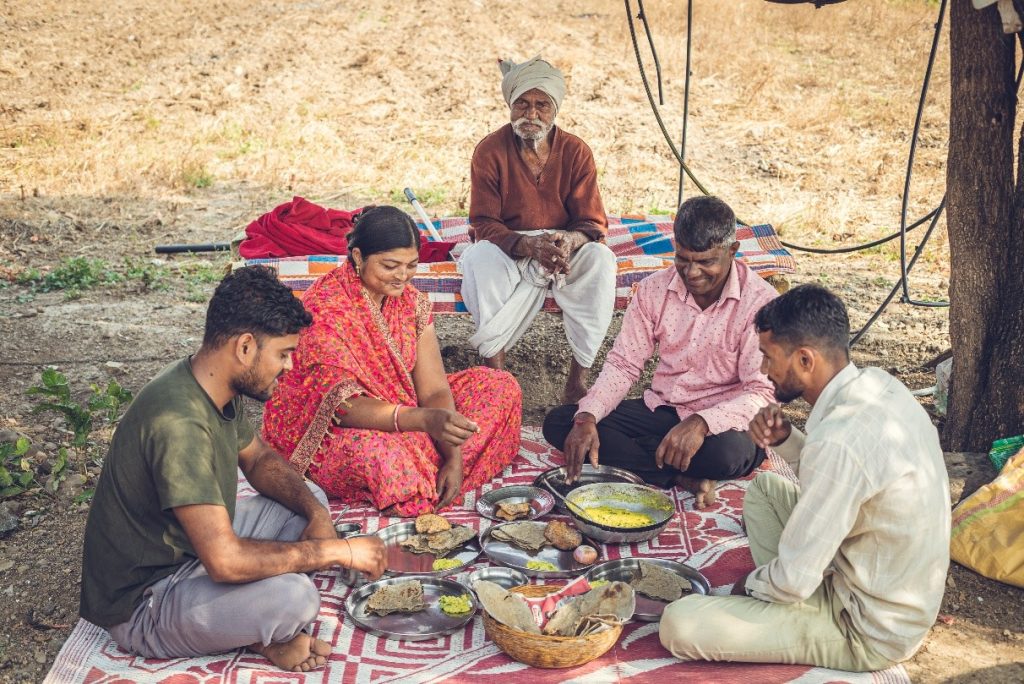
Organizations working closely with smallholder farmers are already witnessing the impact of implementing WFN. Workforce Nutrition for farmers is proven to be a game changer, benefiting both farmers and the supply chains they sustain.
The Workforce Nutrition Scorecard for Smallholder Farmers
We have developed a self-assessment tool – a powerful and simple tool specifically designed to help organisations evaluate and improve workforce nutrition of their workforces without regular worksite structure. These workforces include informal or indirect workers of off-takers, traders, other buyers operating on behalf of larger companies, and uncontracted smallholder farmers.
Why Organizations Should Implement Workforce Nutrition for Smallholder Farmers
Organizations that invest in workforce nutrition for smallholders, their families, and communities gain tangible benefits, including:
1. Improved Productivity: Well-nourished farmers have more energy, strength, and focus, leading to higher agricultural yields.
2. Lower Malnutrition Rates: Healthy farmers spend less on healthcare, reducing costs for both themselves and supporting organizations.
3. Higher Retention & Loyalty: Farmers are more likely to stay engaged with organizations that invest in their well-being.
4. Reliable Supply Chains: Healthy farmers ensure a steady and consistent supply of high-quality agricultural products.
5. Stronger Relationships with Farmers & Communities: Investing in farmer well-being fosters trust and long-term relationships.
6. Securing the Future of Farming: Many young people are leaving agriculture due to financial instability and tough working conditions. Workforce Nutrition can make farming more attractive, encourage younger generations to stay, and contribute to a resilient food system.
How the Scorecard Helps Organizations
The Smallholder Farmer Workforce Nutrition Scorecard enables organizations to:
1. Assess the current impact of their workforce nutrition programs.
2. Identify key gaps and areas for improvement.
3. Take actionable steps to enhance nutrition outcomes across their supply chains
A Win-Win Investment for Organizations and Farmers
By integrating workforce nutrition into agricultural support programs, organizations create a win-win scenario—ensuring healthier farmers, more resilient supply chains, and greater economic stability.
Investing in workforce nutrition for smallholder farmers is an investment in the future of food security. Conduct the assessment today and be part of the change???? link!