

Google’s Progress on Committing to Workforce Nutrition Since N4G2021
WNA Scorecard
Google joined the Workforce Nutrition Alliance (WNA) and curated a meaningful partnership between Google Food, Google’s Health Team, and Benefits, marking the company’s inaugural annual completion of the Workforce Nutrition Scorecard. A systematic and coordinated approach was developed and applied in the completion of the scorecard. Additionally, the company maintains a steadfast commitment to continuous improvement, actively seeking opportunities for enhancement.
Culinary Training
Google partnered with the Culinary Institute of America (CIA) to build a plant-forward curriculum (Plant Forward Kitchen, PFK) that inspires and empowers Google’s culinary leadership to create delicious, sustainable meals. PFK was beta tested in 2022 and launched in 2023. Since then, 643 trainees have completed the programme with 931 trainees enrolled as of December 2024.
Nutrition & Balanced Diets
Agrobiodiversity
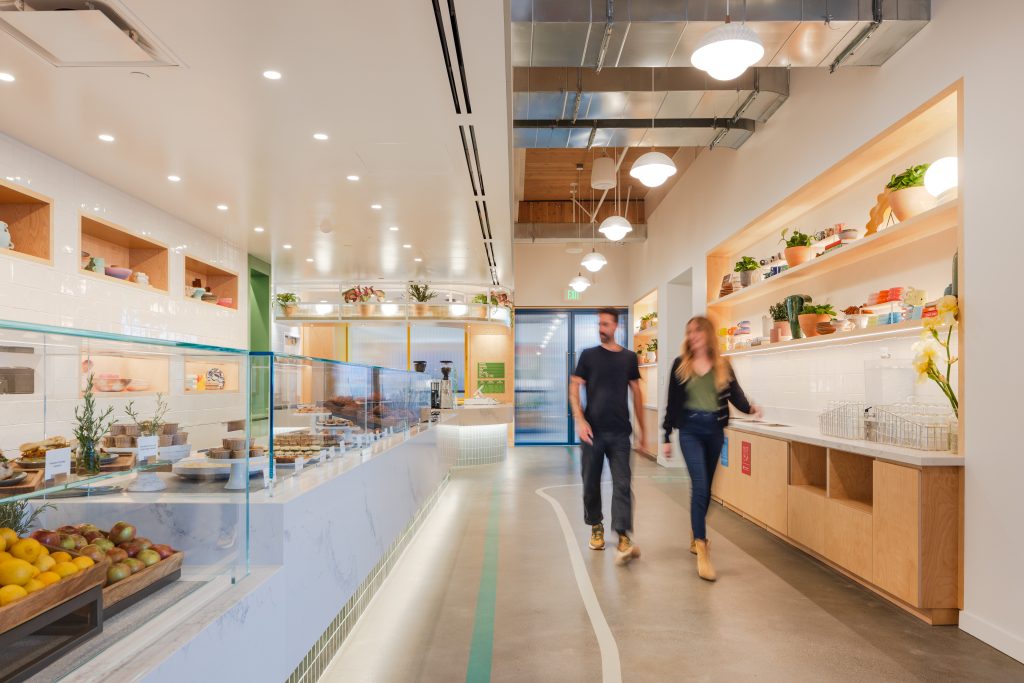
Google developed updated Food Choice Architecture standards to ensure that the healthiest option is the easiest, most sustainable, and most delicious choice for Googlers. In 2023, these standards were piloted in 61 MicroKitchens globally. Google continues to promote nutrition and dietary diversity through nutrition education, with 39% (+4%) of Teaching Kitchen events promoting nutrition diversity in 2023.
Google’s culinary teams continue to increase the proportion of agro-biodiverse legumes and grains used in food service menus. The percentage of these crops has risen from 8% to 15% between 2021 and 2023.
Impact on Google’s Workforce
The company received many testimonials throughout the year recognising the importance of Google’s intentional approach to food and wellbeing. Google emphasises nutrition through the following nutrition principles:
- Fruits and Vegetables First
- Sustainable Hydration
- Plant Forward
- Awareness of Added Ingredients (like sugar and sodium)
- Portion Guidance

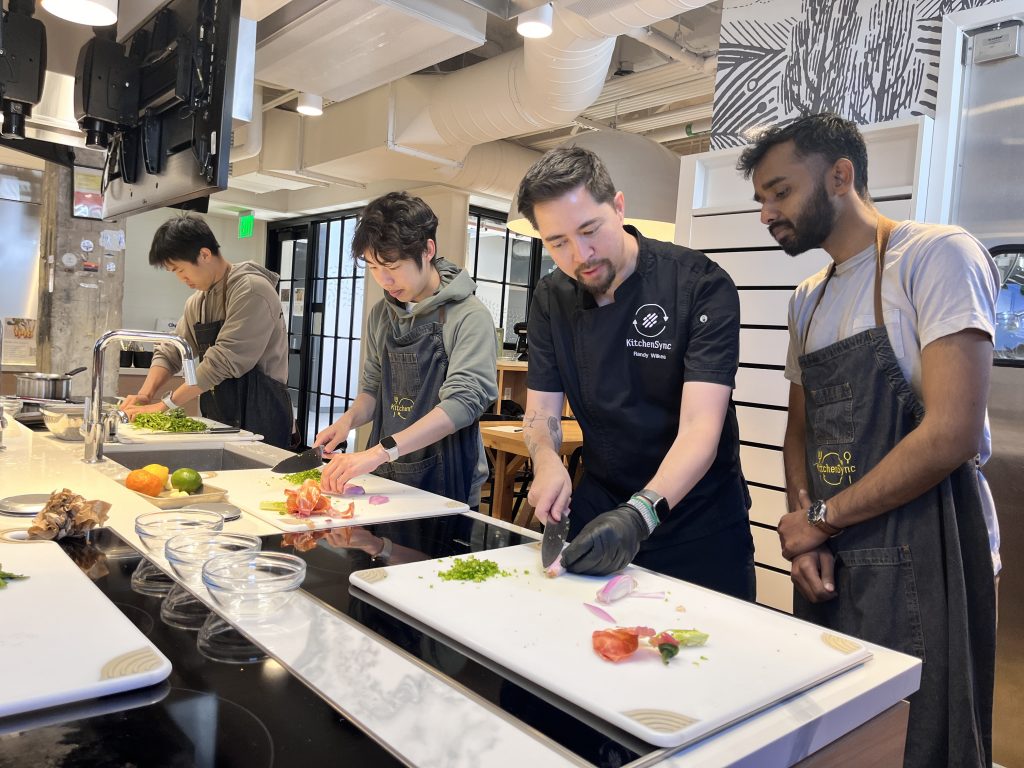

Testimonials from Googlers who have participated in the Teaching Kitchen Programme
“Thank you for offering these classes! Even though it’s a basic skill, I didn’t know how to correctly pan sear chicken breast. These classes give me necessary skills I need to take care of myself and my family.”
“These classes are both fun and great ways to connect with coworkers that I don’t otherwise spend much time with.”
“Felt seen, having my culture represented in the kitchen. Indian food is usually pretty hard to teach. I appreciate the Chef’s effort and initiative to get this recipe on to the schedule.”
Challenges Faced
Expanding Google’s workforce nutrition initiatives has necessitated partnership across multiple internal teams. It is essential that the leaders of these teams are aligned on the opportunities within this space and are open to developing new ways of working. Alongside stakeholder alignment, strategic discussions around programme priorities have been key to building new processes and workflows to support workforce nutrition initiatives. Navigating the complex intersection of cultural norms, dietary habits, and resource availability on a global scale is crucial for implementing impactful and inclusive nutrition initiatives. A successful global strategy recognises the need for standardised goals while embracing flexibility, local norms, and culturally sensitive approaches to achieve lasting, positive change.
Key Actions To Ensure Success
- Public Commitments Frame Actions: By prioritising workplace nutrition, Google is not only strengthening its own programme but also demonstrating leadership and inspiring other organisations to follow suit. As 2030 approaches, the upcoming N4G2025 Summit arrives at a pivotal moment when such commitments are essential to advancing the state of workforce nutrition globally. Google recognises that every organisation that sustains its employees through food has a role to play in nourishing a workforce for human and planetary health and wellbeing.
- Leadership is Key: A successful food and nutrition programme requires a holistic approach rooted in leadership commitment, cross-departmental collaboration, and a thorough understanding of employee needs. Tangible support from leadership, including dedicated resources and policy integration, is crucial for embedding healthy eating as a company value and fostering employee engagement.
- The Right Team: Establishing a cross-functional team comprising members from across the organisation is essential for programme development and implementation. Google has assembled a team of medical, occupational health, and nutrition experts to provide leadership and insights for its food and nutrition programmes. This collaborative approach leverages existing resources and internal communication channels to effectively reach employees globally.
- Data Guides Actions: By using data to understand the needs of the global workforce, Google can create a healthier and more satisfied workplace. This results in employees who are more productive and engaged.