
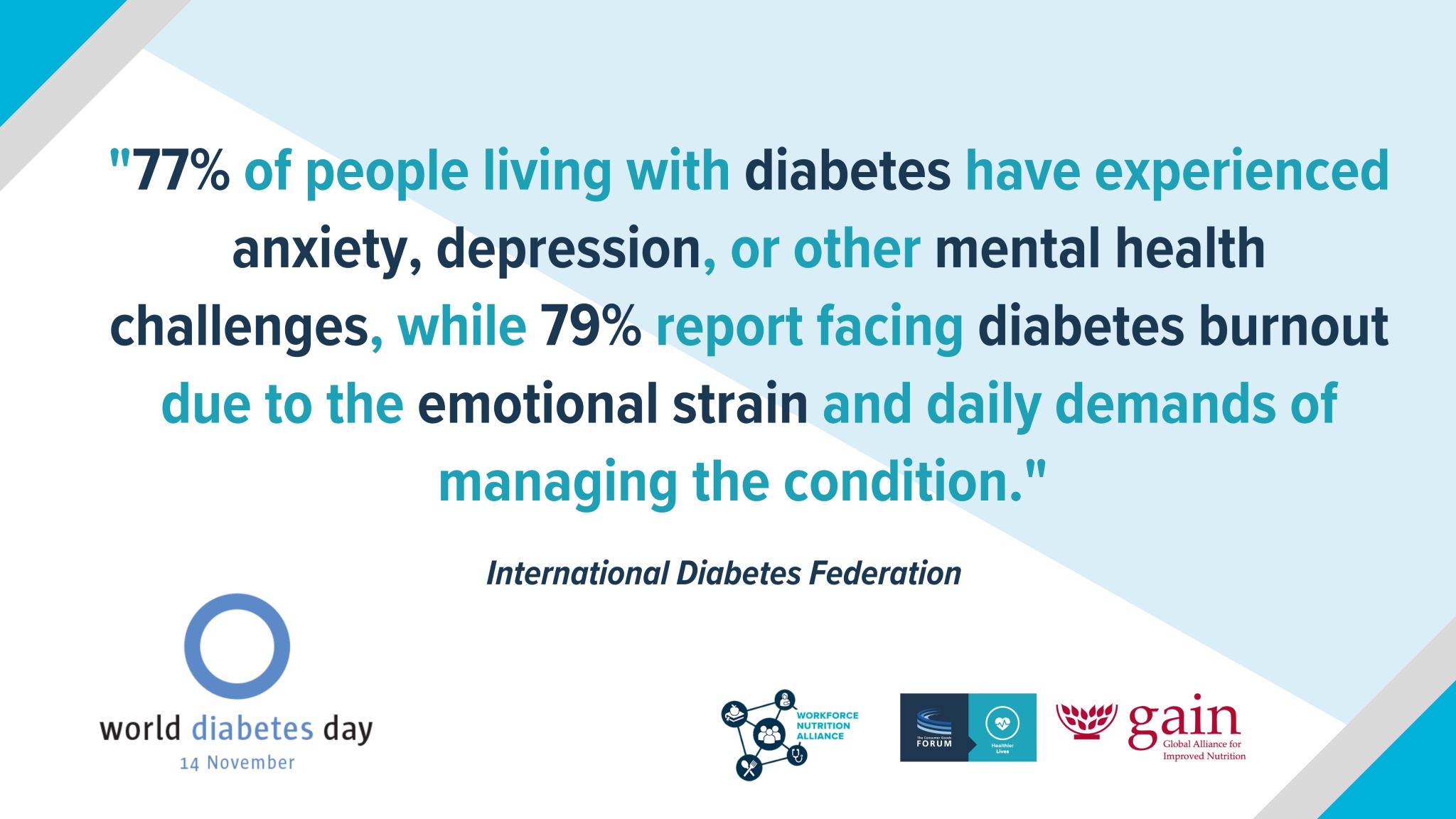
Every year on November 14, World Diabetes Day brings a spotlight to diabetes—its impact on our lives, our work, and how we can tackle it together. Diabetes affects millions of employees worldwide, influencing not only their health and wellbeing but also productivity. Diabetes is not only widespread but also costly. According to the American Diabetes Association (ADA), the last decade has seen a 35% rise in diabetes-related medical expenses. Managing diabetes often involves medical costs that are 2.6 times higher than those for individuals without the condition, creating significant financial pressures on both individuals and employers.
The Impact of Diabetes on Workplace Productivity
For employees managing diabetes, balancing work and health can be challenging. Poorly managed blood glucose levels can lead to symptoms that disrupt work, including fatigue, difficulty concentrating, and in severe cases, hypoglycaemic (low blood sugar) episodes. Research shows that diabetes leads to higher rates of absenteeism and presenteeism – showing up to work but not being able to perform at full capacity thereby reducing overall productivity and increasing healthcare costs. By integrating supportive nutrition initiatives, companies can create a healthier and happier workspace for all (1–3).
Demystifying Diabetes: It’s More than Just Sugar!
When people hear “diabetes,” many imagine sugar-spiked blood levels, but it’s more complex than that. Diabetes is a chronic, metabolic condition marked by high blood sugar levels that, over time, can harm the heart, blood vessels, eyes, kidneys, and nerves. There are two types of diabetes:
- Type 1 Diabetes otherwise known as juvenile or insulin-dependent diabetes. This is a condition in which the pancreas produces little or no insulin by itself. Insulin is a hormone that regulates the blood sugar.
- Type 2 Diabetes the most common type which is seen mostly in adults and occurs when the body become resistant to insulin or does not make enough insulin. Diabetes symptoms include constant urination, thirst, constant hunger, weight loss, vision changes and fatigue.
While Type 1 diabetes isn’t preventable, we can prevent or manage type 2 diabetes with a healthy lifestyle. The workplace is the perfect place to leverage in promoting the adoption of good healthy practices and policies.
How Workforce Nutrition Supports Employees with Diabetes
Workforce nutrition programs offer a powerful way to help employees manage diabetes and support a healthier, more engaged workforce. Here’s how the four pillars of workforce nutrition play a role:
Healthy Food at Work: The foundation of any workforce nutrition program is ensuring access to nutritious food at the workplace. For employees with diabetes, having healthier options readily available supports better blood sugar control and sustained energy levels throughout the workday. Introducing healthier meals, snacks, and drink options in workplace cafeterias, vending machines, or snack stations, employers create an environment that encourages positive food choices.
Nutrition Education: Knowing what to eat is half the battle. Nutrition education provides employees with the knowledge they need to make informed choices. For people managing diabetes, understanding the impact of food choices on blood sugar levels is essential. Companies can implement regular informational sessions, social media campaigns, or interactive quizzes to promote awareness of diabetes management and healthy eating and lifestyle.
Nutrition Health Checks: Regular health checks can help employees monitor key health indicators, including blood glucose levels, blood pressure, and body mass index. By providing access to periodic health assessments, employers can help employees manage diabetes proactively and address any issues early.
Breastfeeding Support: Breastfeeding is linked to lower risks of diabetes for both mother and child, so supporting parents in the workplace is a step toward a healthier future. How long you breastfeed seems to affect your chance of developing type 2 diabetes. ADA shows that breastfeeding for longer than two months can reduce a woman’s risk of developing Type 2 diabetes by nearly half.
Looking Ahead: A Healthier Workplace for All
On this World Diabetes Day, let’s commit to small, consistent steps to keep our health in check. By breaking workplace barriers to health and nutrition, we can create a stronger, healthier, resilient and more productive workforce that’s ready for anything!
Explore how the Workforce Nutrition Alliance can help you create a thriving, nutrition-focused environment. Visit workforcenutrition.org to learn more about our programs, resources, and services, and join us in fostering a healthier, more productive workforce today.
References:
1. Lavaysse LM, Imrisek SD, Lee M, Osborn CY, Hirsch A, Hoy-Rosas J, et al. One Drop Improves Productivity for Workers With Type 2 Diabetes. J Occup Environ Med [Internet]. 2022 Aug 1;64(8):e452–8. Available from: https://journals.lww.com/10.1097/JOM.0000000000002577
2. Breton MC, Guénette L, Amiche MA, Kayibanda JF, Grégoire JP, Moisan J. Burden of Diabetes on the Ability to Work. Diabetes Care [Internet]. 2013 Mar 1;36(3):740–9. Available from: https://diabetesjournals.org/care/article/36/3/740/38119/Burden-of-Diabetes-on-the-Ability-to-WorkA
3. Tunceli K, Bradley CJ, Nerenz D, Keoki Williams L, Pladevall M, Lafata JE. The Impact of Diabetes on Employment and Work Productivity. Diabetes Care [Internet]. 2005 Nov;28. Available from: http://diabetesjournals.org/care/article-pdf/28/11/2662/568170/zdc01105002662.pdf